
Technology
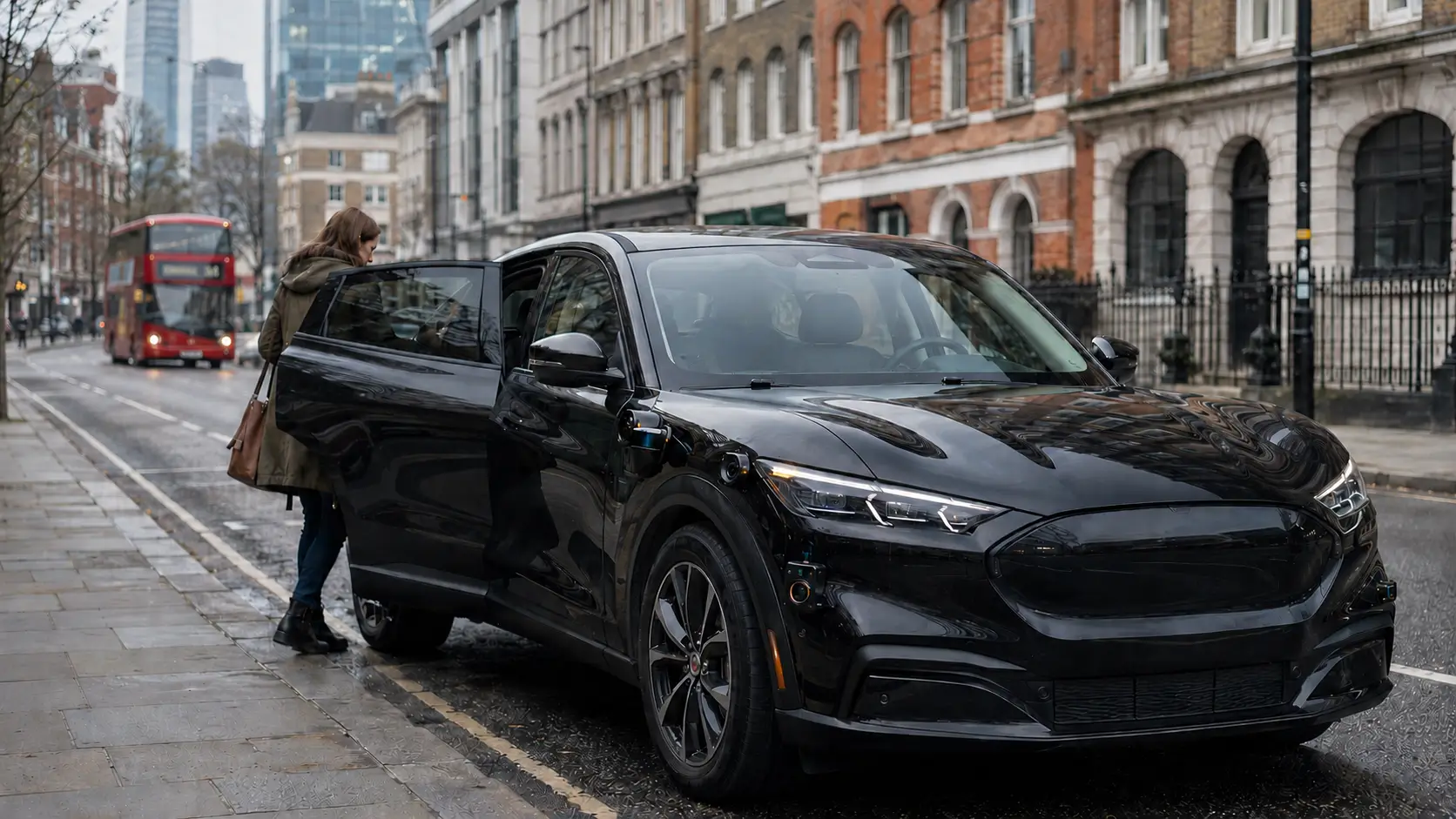
Uber and Wayve launch taxis in London driven by an AI
Uber and Wayve run autonomous supervised taxis in London. This is how the AI drives, why a human stays on board and the limits of service.
Discover technological advances around the world
Uber and Wayve run autonomous supervised taxis in London. This is how the AI drives, why a human stays on board and the limits of service.
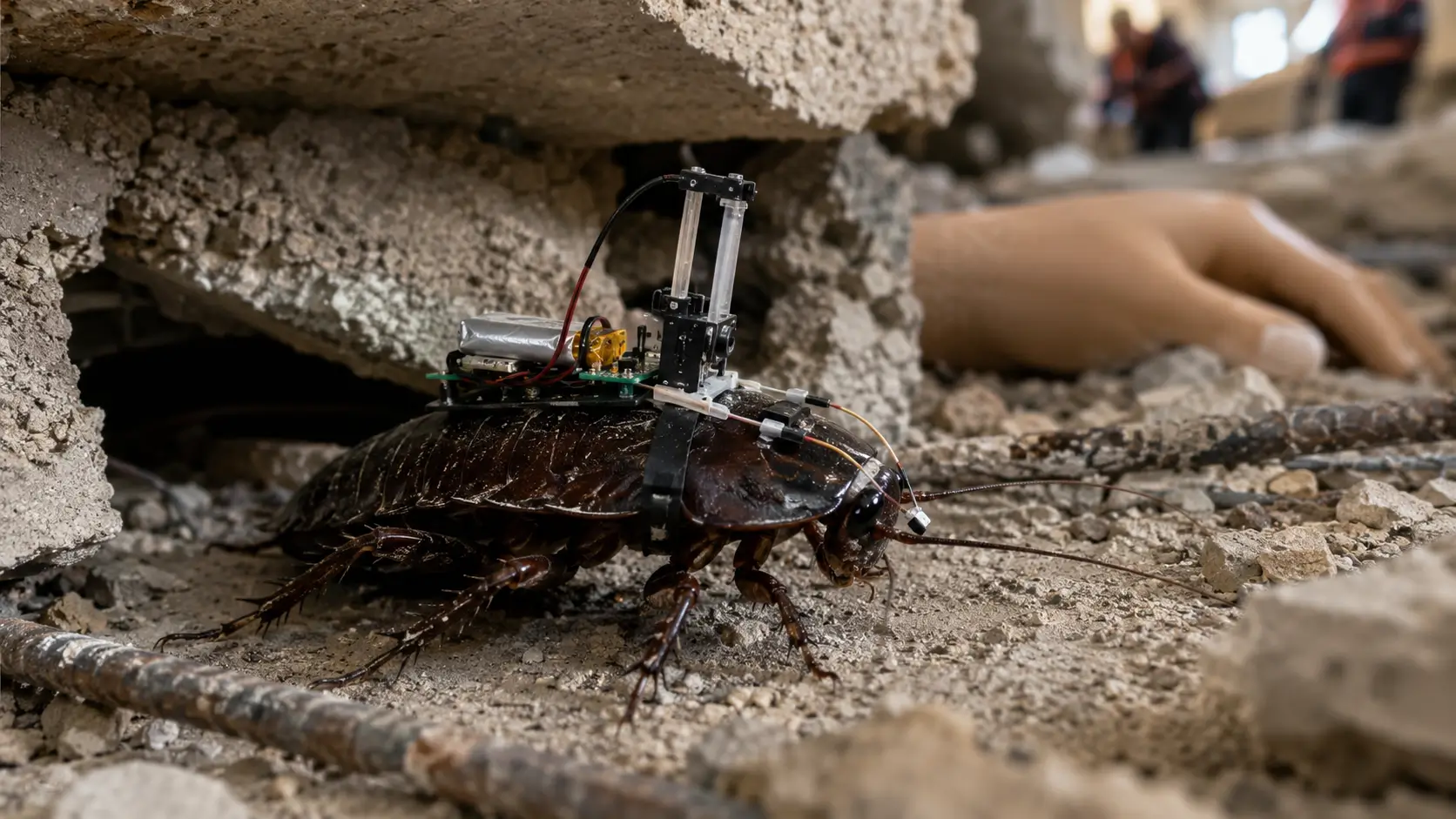
Cyborg cockroaches with cameras and micro-injectors could help under the rubble. This is their operation, their potential and their limitations.
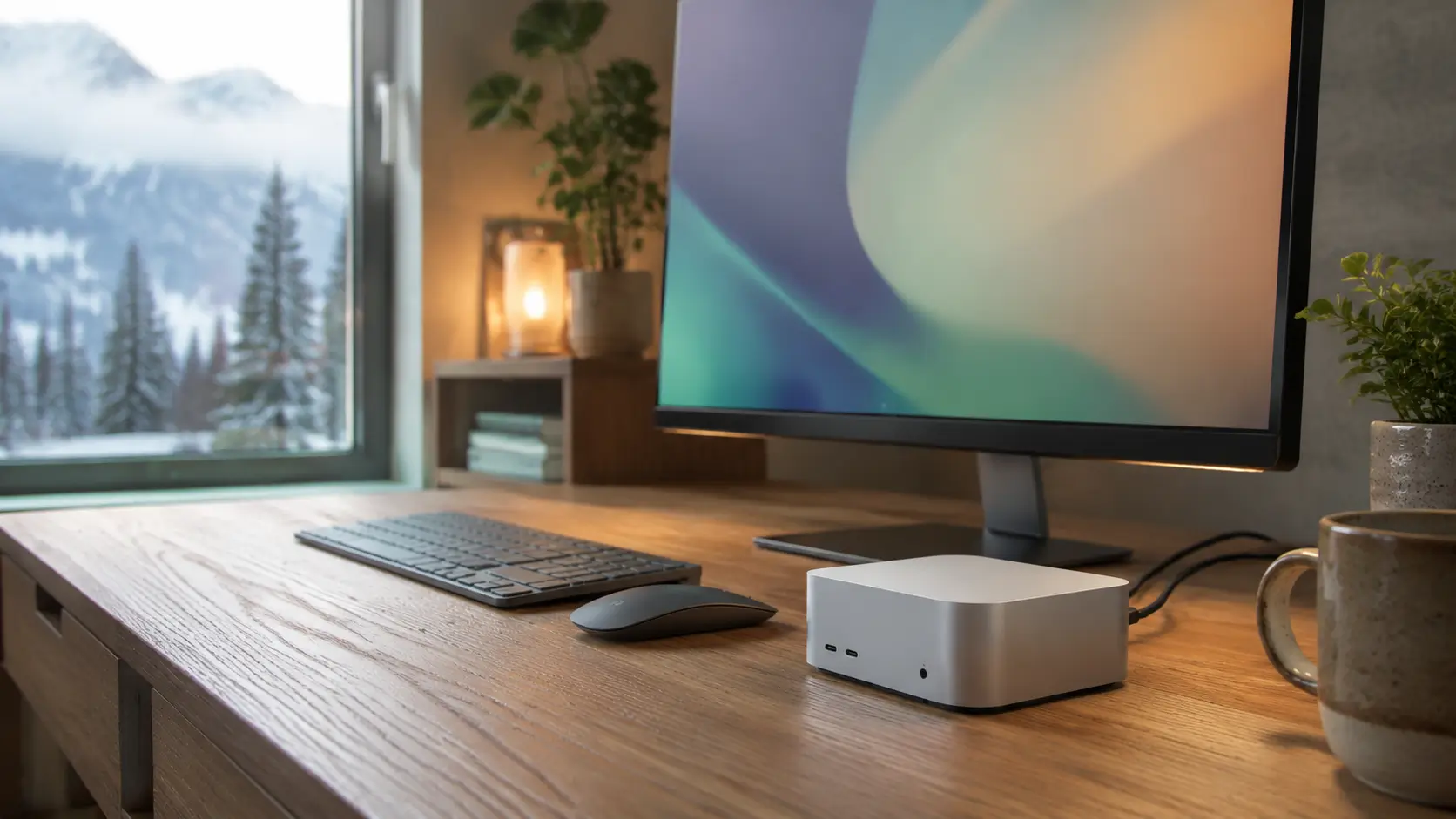
The Mac mini M6 opens the Apple chip engraved in 2 nm and accelerates the local AI, but its Canadian price increases. Here are his novelties and real limits.
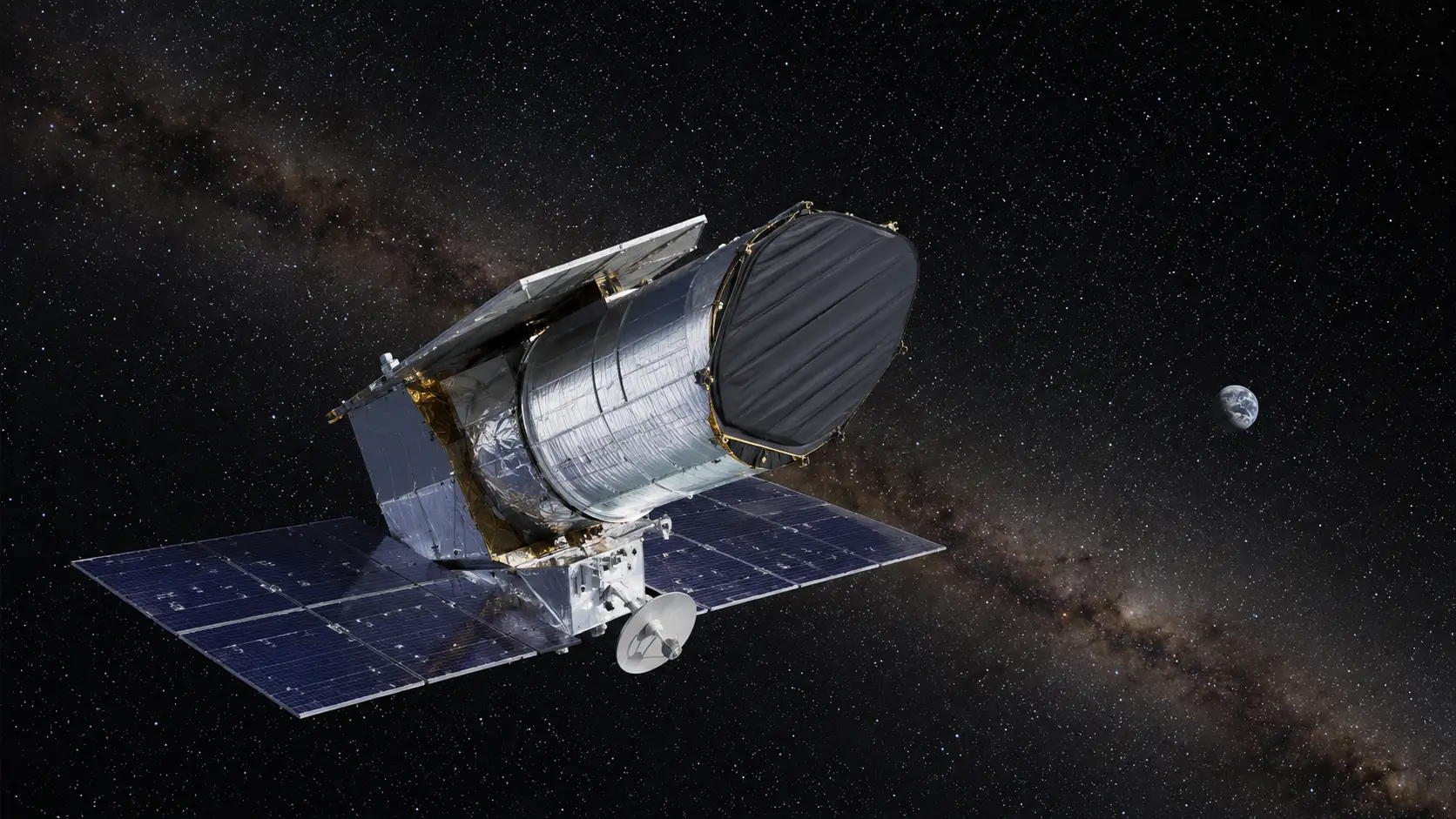
NASA's Roman space telescope is going to map the Universe, study dark energy and discover exoplanets. Here's his real abilities.
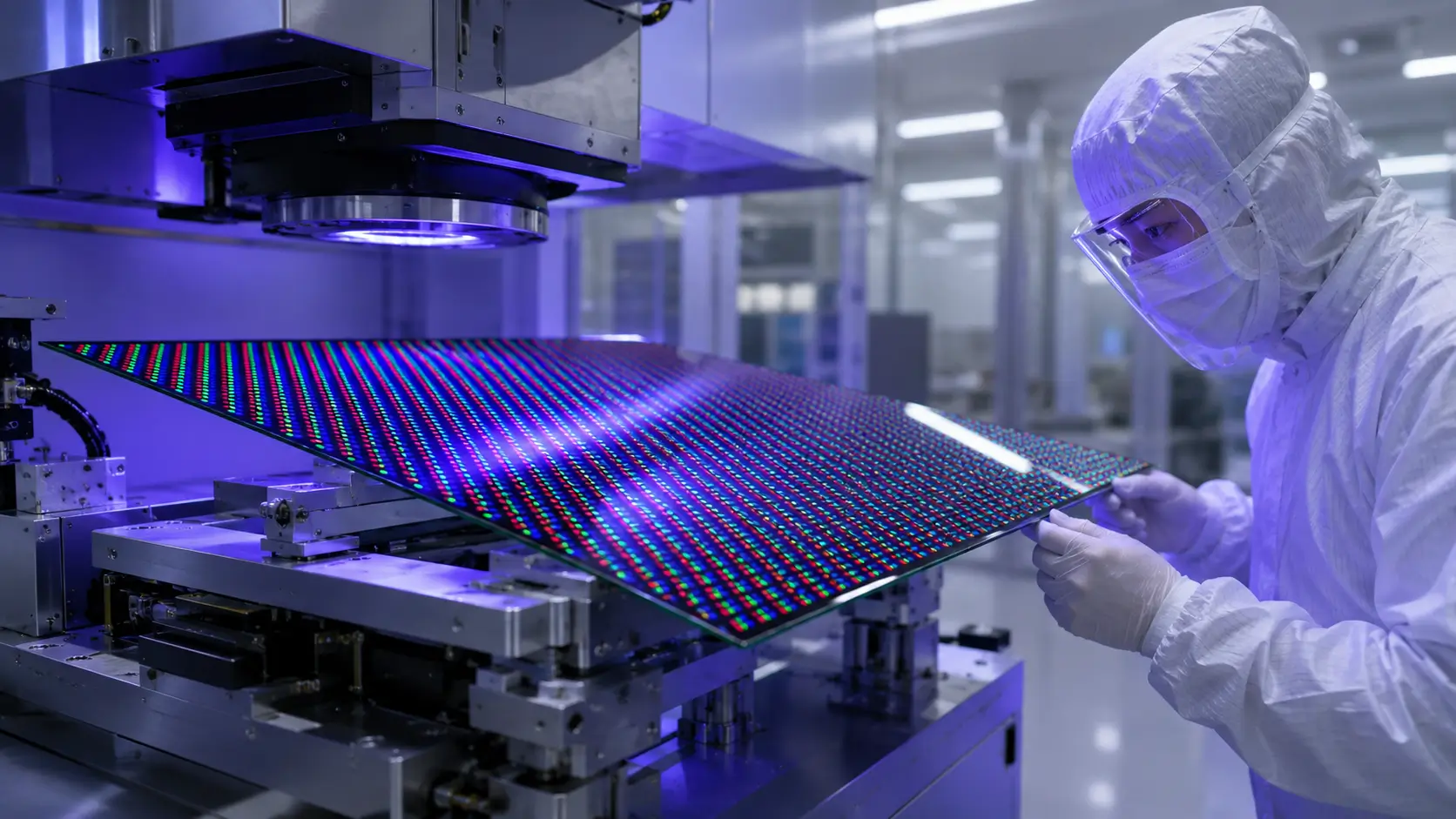
FLiPP replaces the metal masks of OLED screens with photolithography. LG promises more light, durable and energy-efficient panels.
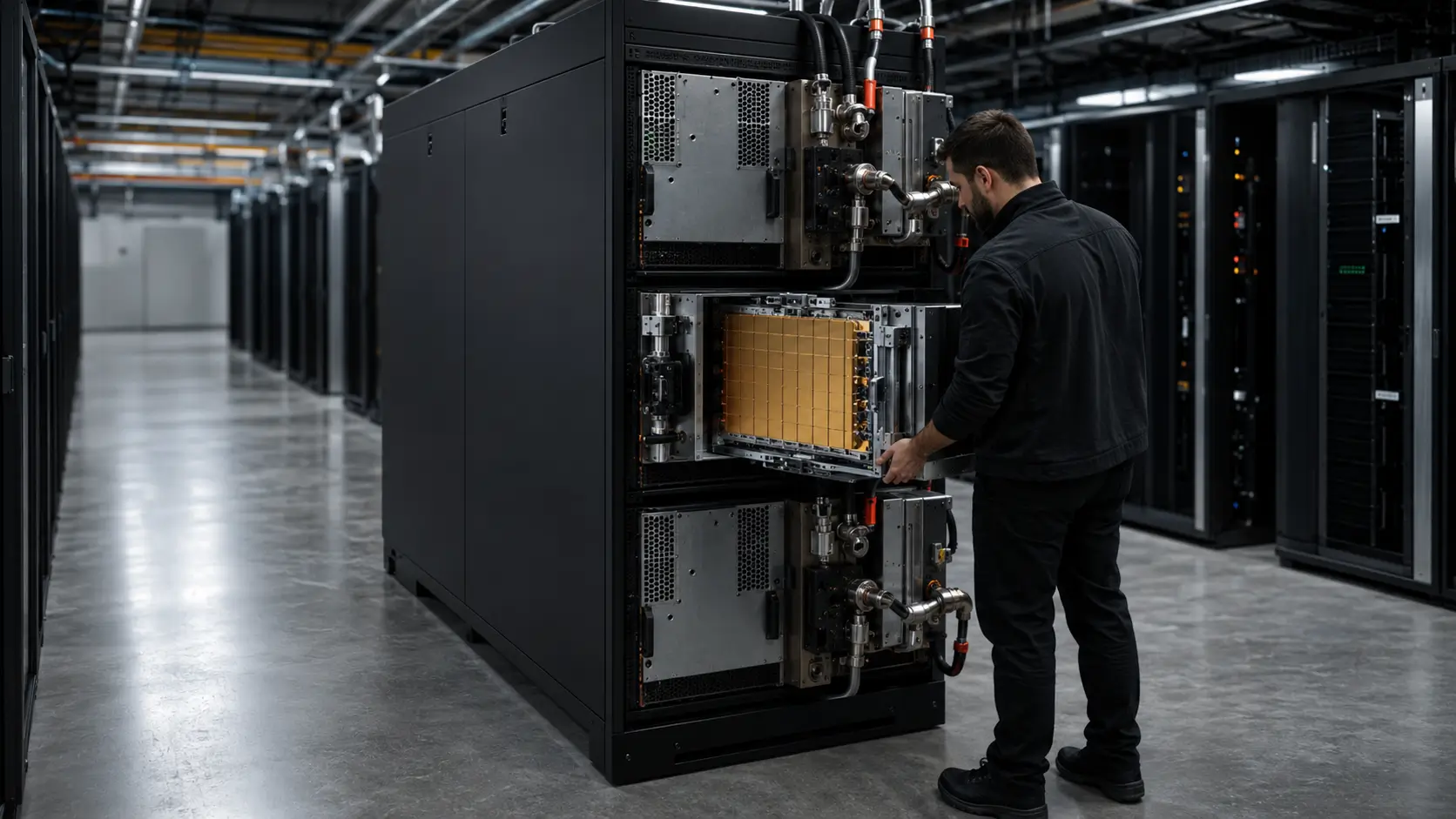
Cerebras CS-4 brings together three processors of the size of a silicon slice to accelerate the AI. Here is its architecture, its promises and its limits.
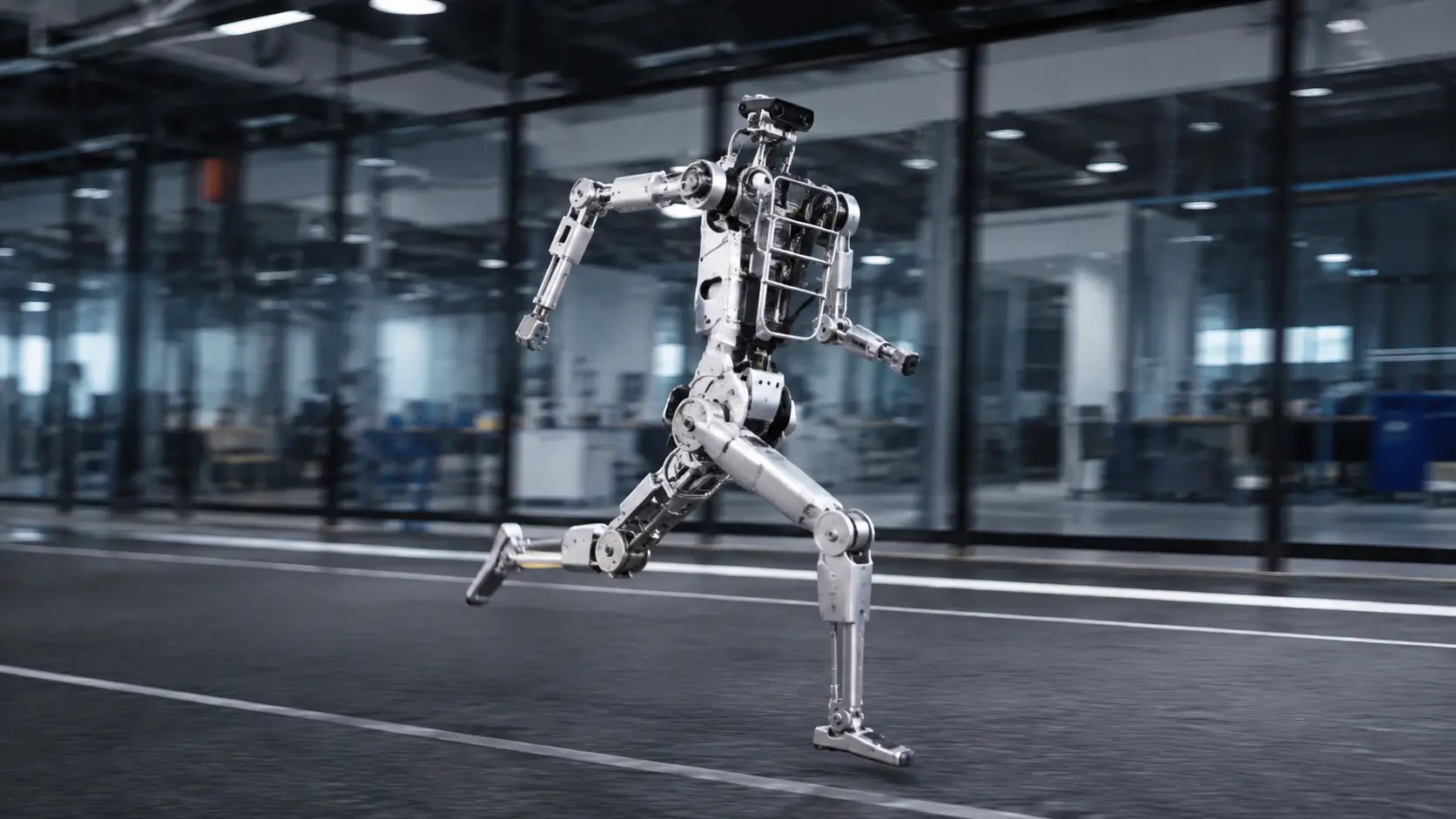
Unitree reveals Superman, an experimental humanoid announced at 45.6 km/h and capable of a jump of 2 meters, but still far from a commercial product.
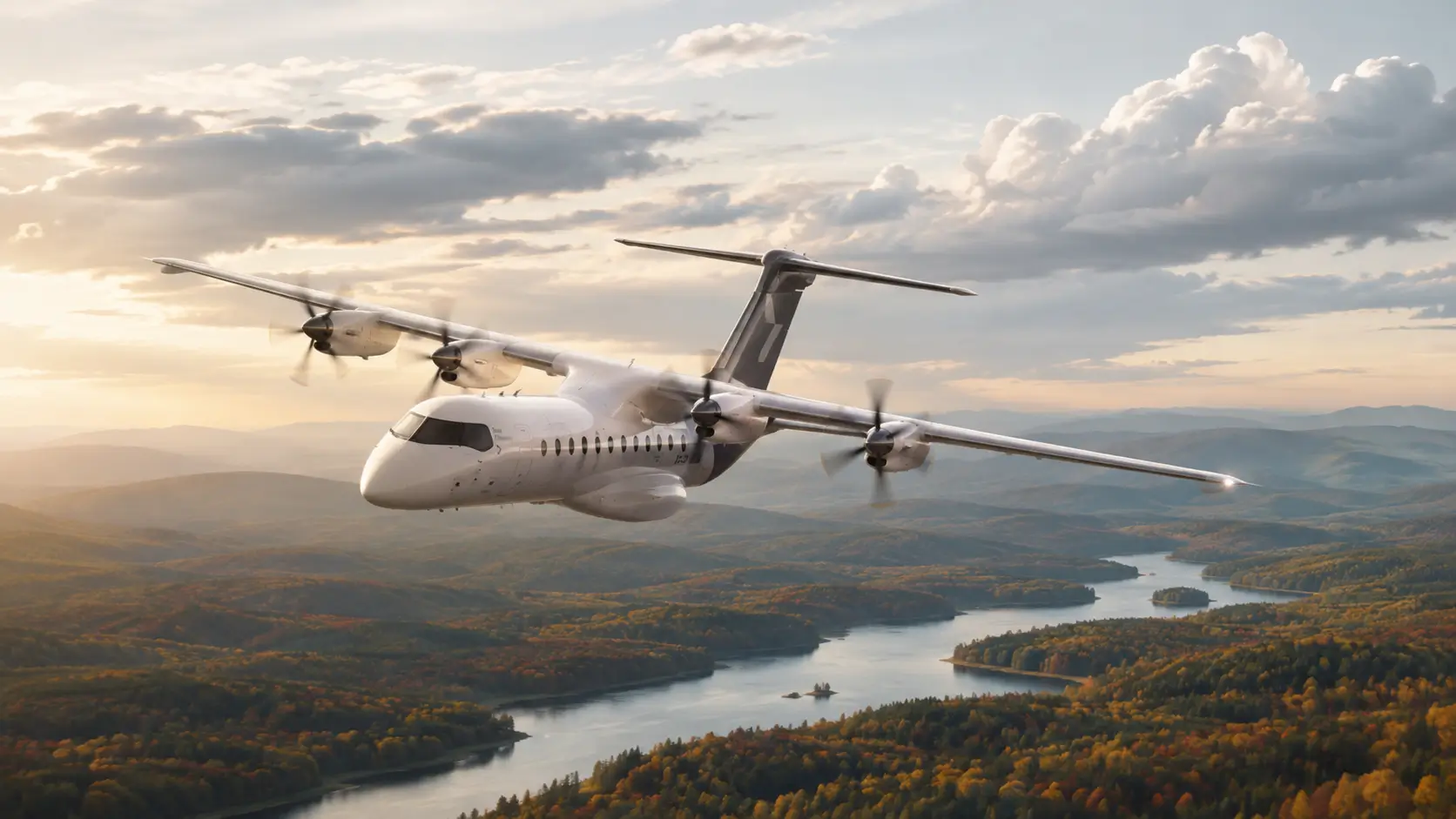
Heart X1, the largest battery-powered electric aircraft that flew, took a key step towards a regional hybrid transport supported by Air Canada.
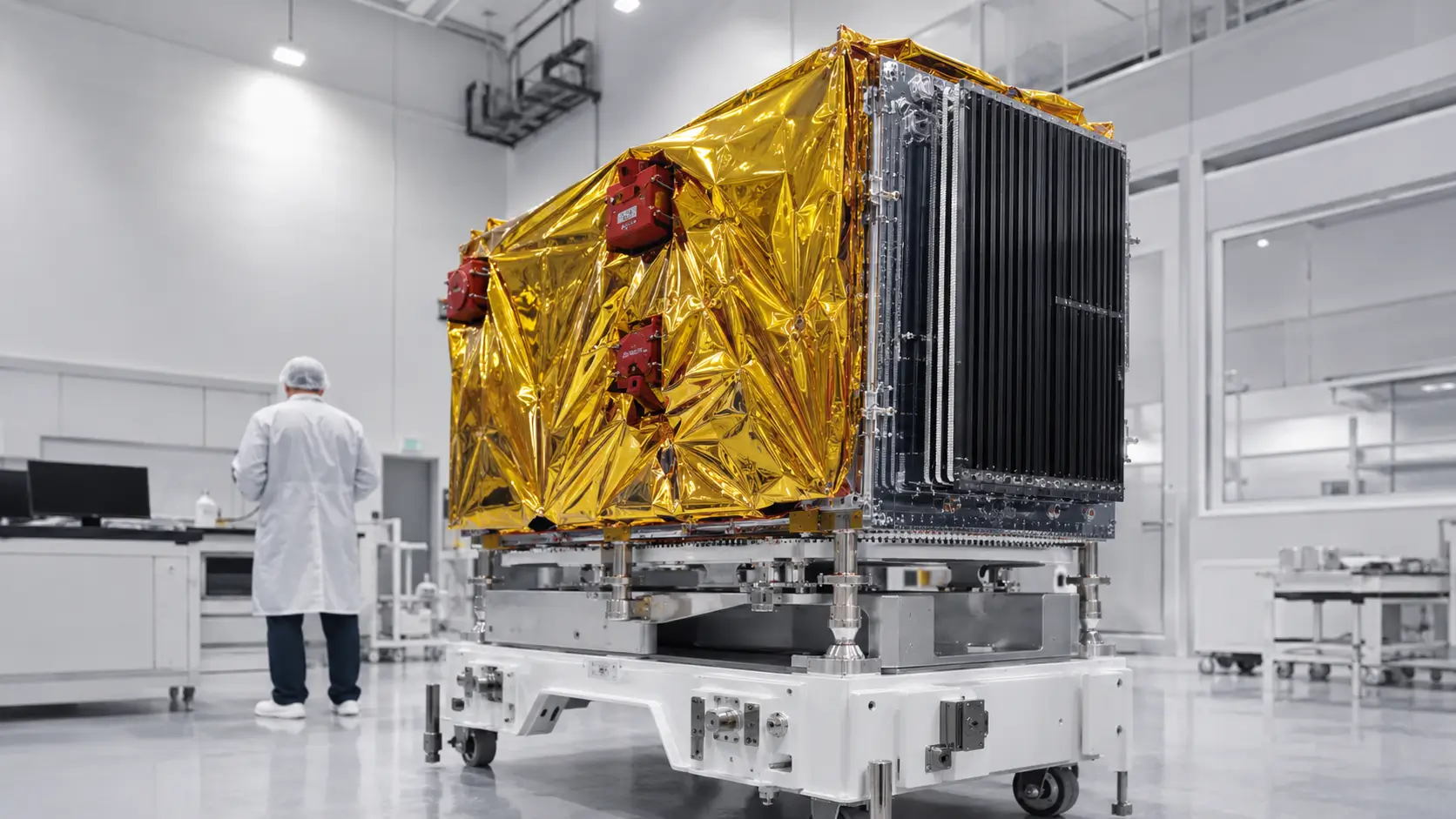
Eight Globalstar satellites built in Montreal join the orbit to strengthen direct communications to aircraft and IoT services.