CXMT produces 24 gigabit LPDDR5X memory
CXMT produces two new 24 gigabit LPDDR5X memories. These are their manufacturing, uses, limitations and availability in Canada.
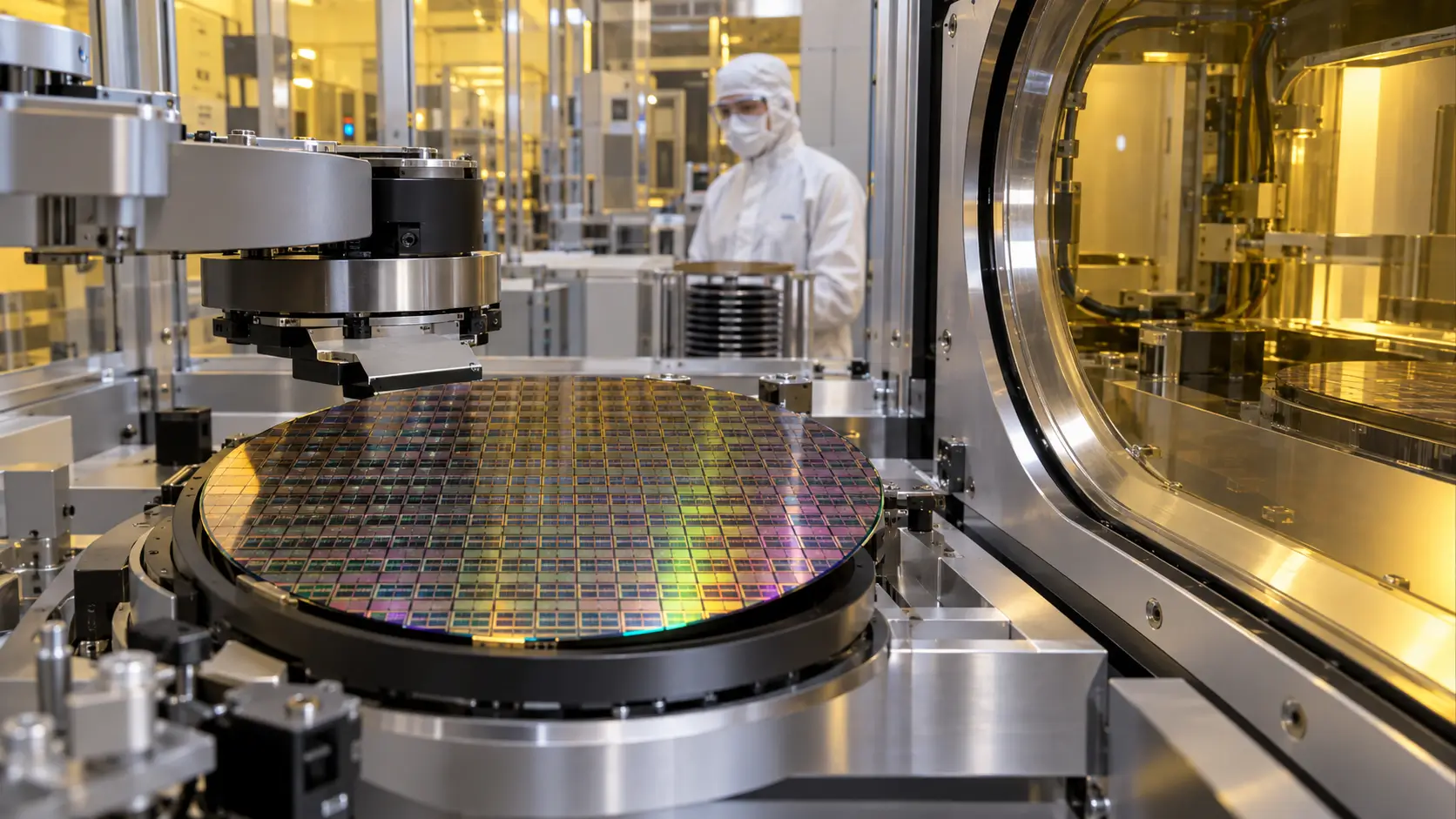
RAM is the quick workspace where a device temporarily keeps its applications and active data. A denser memory allows for more accommodation in a restricted space.
Chinese manufacturer CXMT announced on 20 September 2026 that its fifth generation DRAM platform had entered mass production. He also unveiled two 24 gigabit LPDDR5X chips made with this process.
The announcement is important for the Chinese semiconductor industry. However, it does not yet prove that the new chips equal their competitors in speed, consumption, reliability or manufacturing efficiency.
A denser chip in the same space
DRAM keeps the data only as long as it is powered. The LPDDR5X is designed for thin and battery-powered devices.
A 24 gigabit chip contains three gigabytes of raw data, since one byte corresponds to eight bits. A manufacturer may combine several; the final capacity is therefore not derived from this single figure.
CXMT indicates that its two new products store 50% more data than its equivalent 16 gigabit models. They are available in two housing formats for different portable devices, reports [Reuters] (https://www.reuters.com/world/asia-pacific/chinas-cxmt-says-new-memory-chip-platform-enters-mass-production-2026-09-20/).
The company did not publish in this announcement the transfer speed, voltage, measured consumption or exact references of both components. It would therefore be premature to compare them directly to the LPDDR5X of Samsung, SK Hynix or Micron.
Four steps to draw finer
CXMT states that it reduced the spacing of large structures in memory cells to 11.95 nanometres. This number describes a specific dimension of the process; It should not be confused with the business name of a processor node.
To obtain such close motives, the company uses a fourfold structuring technique. It repeats several manufacturing steps in order to subdivide an initial pattern and draw finer details.
This approach can prolong the use of existing equipment while US controls have limited China's access to certain advanced tools and software since 2022. However, it adds alignments and flaws.
The Vice President of CXMT argues that the process joins the industry's most advanced mass production technologies. This comparison is from the manufacturer and has not yet been confirmed by an independent analysis.
Fifty percent more chips, before defects
CXMT announces at least 50% more raw chips per silicon slice than with its previous platform, taking an 8 gigabit chip as a reference.
The word "raw" is essential. This calculation includes rectangles that can theoretically be cut into a slice before removing those that fail the tests. It does not reveal the yield, i.e. the proportion actually saleable.
A denser platform can reduce the cost per gigabit if the success rate remains high. Additional steps can also increase time, materials and defects.
Previous information from [Tom They do not describe the new platform, but show why current data is needed.
What will this memory serve?
CXMT manufactures DRAMs for phones, computers, tablets and servers, according to its official presentation. Samsung also presents the LPDDR5X for automotive and AI on the periphery.
Increased density can add memory without multiplying components and reducing occupied space. These benefits will depend on the housing, controller and qualification performed by each manufacturer.
"mass production" means that CXMT now manufactures chips on an industrial scale. It does not mean that a consumer device equipped with these components is already sold outside China. No specific clients were appointed.
Prices and availability in Canada
CXMT did not disclose any public prices, Canadian distributor or device sold in Canada using these two chips.
These components are purchased by volume and then welded into the products. They should not be offered as a bar that the consumer installs himself.
The cost will vary depending on format, volume, contract, qualification, transportation, trade restrictions and region. No reliable Canadian dollar range is available.
Limits or Considerations
CXMT did not publish rates of return, independent test results, longevity data or comparable watt performance measures.
Availability in two housings does not guarantee compatibility. The LPDDR memory is integrated from the design of the card and depends on the processor and its controller.
Finally, a new source of supply may increase competition, but export controls, patents, customer validation and the actual capacity of plants will influence its access to international markets.
Conclusion
The CXMT platform is more concrete than a laboratory demonstration: it is announced in production and offers a density higher than the previous generation.
The real test starts now: producing enough components without defects, respecting promised performance and convincing manufacturers to integrate them. Until these results and the first aircraft are documented, the announcement remains an important industrial milestone rather than a fully demonstrated technical victory.